7 Things Most Golfers Don’t Know About Colonial Charters Golf Club
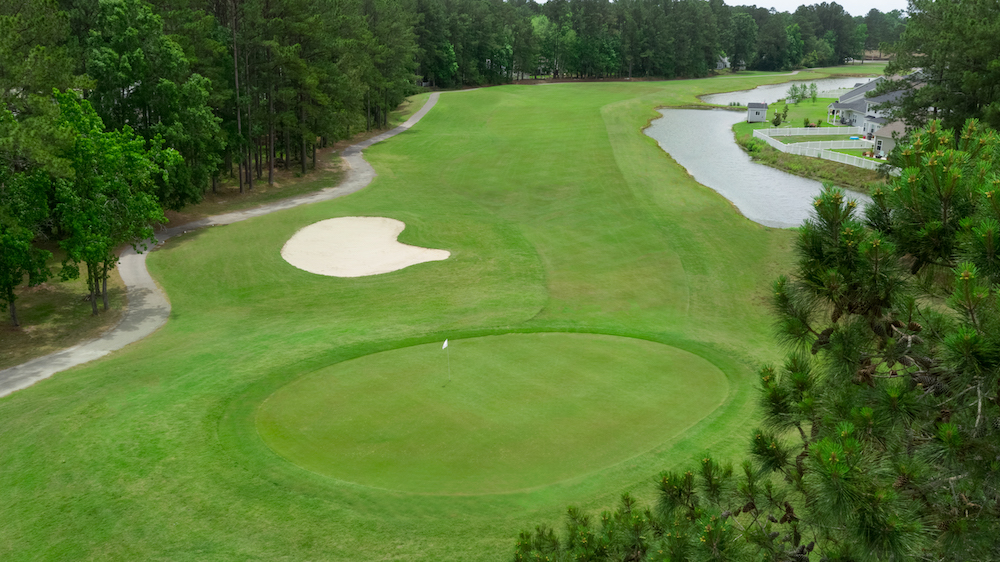 Colonial Charters Golf Club in Longs, SC has a following that goes deeper than a typical Myrtle Beach round — and honestly, its backstory reads a little like a comeback movie. Here are seven things about this Myrtle Beach-area favorite that even regulars might not know.
It Wasn’t Always Called Colonial Charters
Here’s the twist: the Colonial Charters name actually disappeared for a while. After opening strong in 1988, the course fell on hard times under different ownership and was rebranded “Palmetto Greens.” It wasn’t until a new ownership group restored its original name in August 2013 that the latest version of Colonial Charters returned to the Myrtle Beach conversation.
Its Original Layout Was a Completely Different Golf Course
When it opened in 1988, Colonial Charters played as a hefty 6,780-yard course, designed by architect John Simpson, complete with a driving range running down the middle of the property. That’s not the course you’ll play today.
It Got a Total Redesign During Its “Lost Years”
While operating under the Palmetto Greens name, the course underwent a significant redesign by noted architect Rick Robbins, reshaping it into the tighter, more strategic 6,427-yard, par-71 layout golfers play today. In other words, the current version of Colonial Charters was actually born under the club’s former name — one of the more unusual origin stories in the Myrtle Beach area.
A Local Businessman Led Its Rescue
Colonial Charters’ 2013 revival wasn’t a big out-of-town corporate takeover — it was spearheaded by The Pace Group, a development company headed by Myrtle Beach resident Van Watts, working alongside East Coast Golf Management. It’s a genuinely local comeback story, not a franchise rescue.
The Water Hazards Aren’t Just Scenery
Colonial Charters is loaded with strategically placed water hazards that come into play across the round — course descriptions consistently note that working the ball intentionally, rather than just swinging away, is essential here. The signature par-3 15th requires a full carry over water to a tightly protected green, making it one of the most memorable holes on the course.
It Has Its Own Greenside Waterfalls
Beyond standard ponds and lakes, Colonial Charters features two greenside waterfalls, a detail that sets it apart visually from most other courses in the area. Paired with mature hardwoods lining the fairways, it gives the course a more mature, established feel than its comeback story might suggest.
The Greens Are Built for Precision
With Tifdwarf Bermuda greens and roughly 44 sand bunkers protecting them, Colonial Charters rewards accurate approach shots far more than raw distance. Tree-lined, accuracy-first fairways mean the course plays tougher than its yardage suggests.
The Bottom Line
Colonial Charters Golf Club isn’t just another Myrtle Beach-area round — it’s a genuine local comeback story, redesigned and rescued by a hometown business group, now home to waterfalls and water hazards that demand real course management. If you’ve never played it, its history alone makes it worth the trip.