Why Caledonia Golf & Fish Club is the Epicenter for the Mike Strantz Legend
Mention Mike Strantz to any serious golf architecture fan and you’ll get a reverent nod. Mention Caledonia Golf & Fish Club, and you’ll get the same reaction — because the two are inseparable. Caledonia isn’t just another Strantz design. It’s the one that started everything, and understanding that story changes the way you experience the course.
One of Only Nine Strantz Designs on Earth
Here’s the number that should stop you in your tracks: Mike Strantz only ever designed nine golf courses in his lifetime. That’s it. Nine, total, anywhere in the world — including Caledonia, True Blue, Tobacco Road, Bulls Bay, Tot Hill Farm, and Royal New Kent. Strantz passed away from cancer in 2005 at just 50 years old, cutting short a career that had only begun to hit its stride. That scarcity is exactly why golf travelers plan entire trips around playing his work. You’re not just playing a good golf course at Caledonia — you’re playing a piece of a small, permanently closed collection.
Caledonia Was Strantz’s First Solo Project — And It Made Him
Before Caledonia, Strantz was a talented but relatively unknown protégé of legendary architect Tom Fazio, working on-site at several Fazio designs along the South Carolina coast. When he struck out on his own, Caledonia — opening on January 1, 1994, on a former Pawleys Island rice plantation — was the result. It was an immediate sensation, earning national recognition and vaulting the 37-year-old Strantz into the golf architecture spotlight almost overnight. Golfweek later named him one of its Top 10 Greatest Golf Architects of All Time. Without Caledonia’s success, there’s a real argument that True Blue, Tobacco Road, and the rest of the Strantz portfolio never get built.
What Makes a Strantz Course Play Like a Strantz Course
If you’ve never played one before, here’s what to expect. Strantz treated golf holes like visual art rather than engineering exercises, favoring dramatic sightlines, boldly sculpted bunkers, and greens that seem to melt naturally into the land around them. At Caledonia specifically, that translates to wide, forgiving corridors framed by centuries-old live oaks — the course uses noticeably less earthmoving than some of Strantz’s later, bigger projects, which is part of why it feels so unified with its Lowcountry setting.
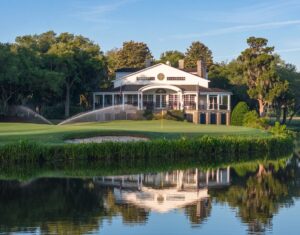
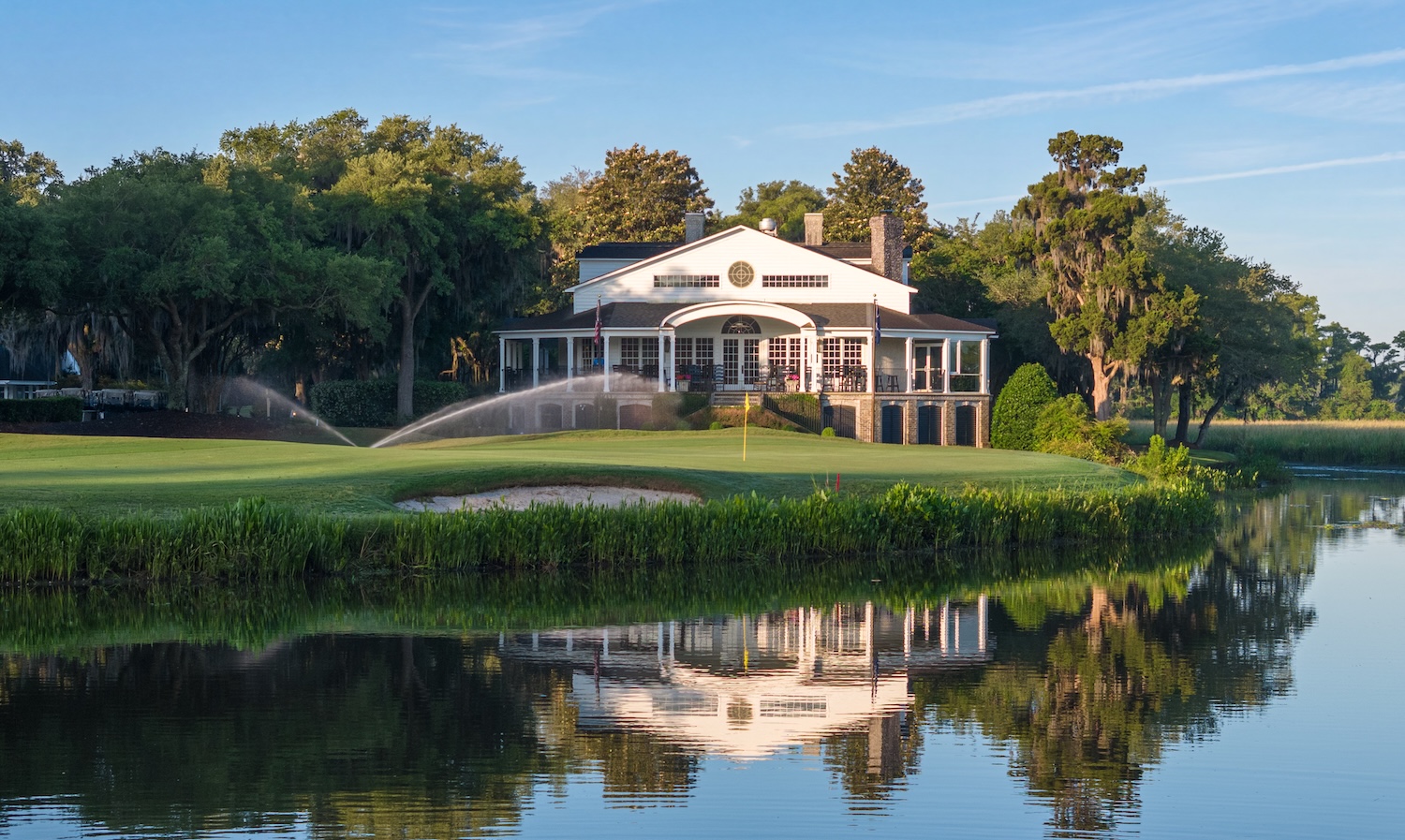
Don’t let the modest yardage fool you, either. Caledonia plays as a par 70 at roughly 6,500 yards from the tips, but it packs real teeth into that number, including several 400-plus-yard par 4s. The green complexes are large and full of movement, rewarding smart angles off the tee far more than raw power. And the finishing stretch is pure theater: the 18th requires a second shot over water to a green sitting just steps from the plantation-style clubhouse — as good a Strantz signature moment as exists anywhere in his catalog.
Play It the Way Strantz Intended
Strantz once said his goal was for players to stand on the tee, feel dazzled by the beauty in front of them, and never feel miserable playing the hole. That balance is Caledonia’s secret weapon. Play conservatively off the tee, respect the angles into those big, undulating greens, and take a moment on 18 before you swing — you’ll be standing in one of the most photographed spots in Myrtle Beach golf.
Latest Articles